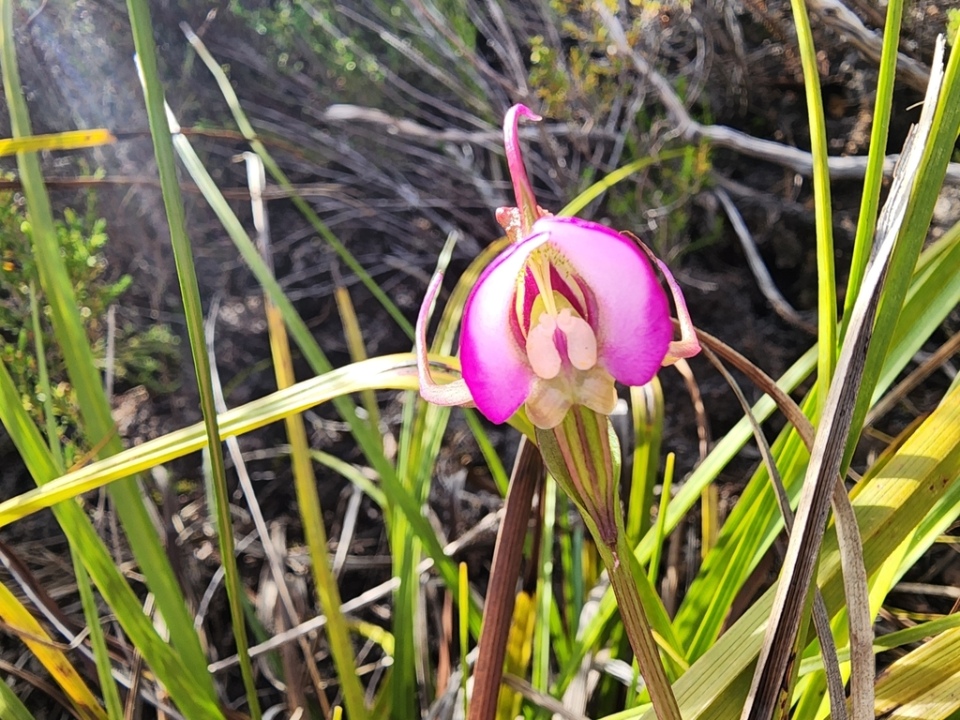
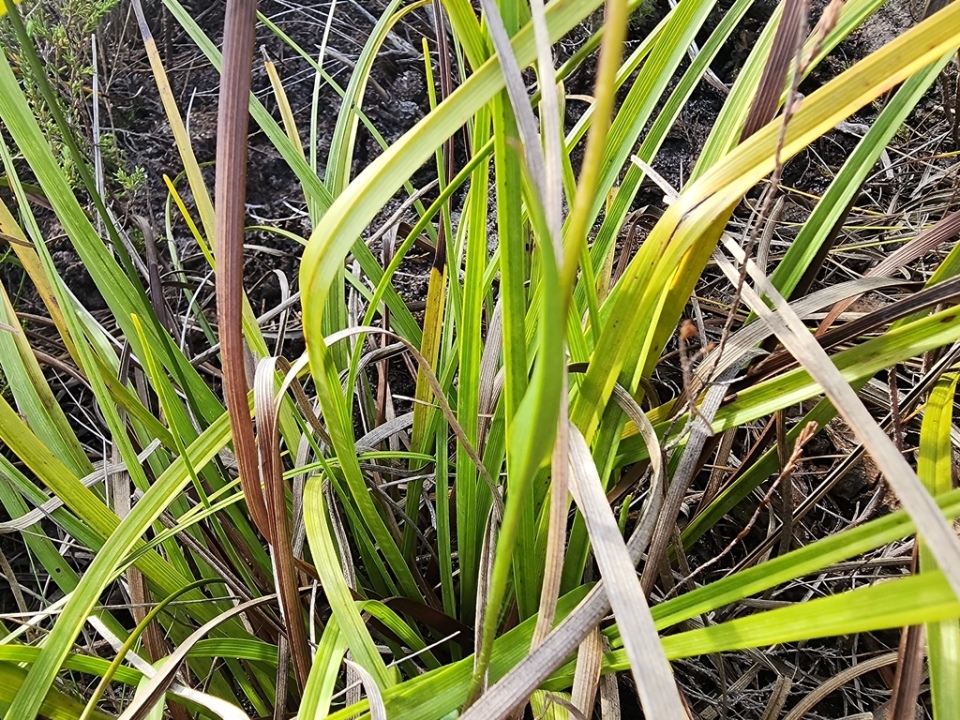
Flora Detail
| Common Name | Granny's Bonnet, Moederkappie |
| Family | Orchidaceae (Orchids) |
| Date Observed | 18-08-2021 |
| Category | Bulbs/Rhizomes |
|---|---|
| Catalogue No. | 7738RG |
| Flowering Time | Spring |
| Colour | Pink to Mauve |
| Locations Observed | |
| Estuary | |
| Koppie | Few |
| Nature Reserve | Not Observed |
| Small Holding | Few |
| Village | Few |
| Greater Rooiels | Few |
Disperis capensis var. capensis
Information
Granny's Bonnet, Moederkappie
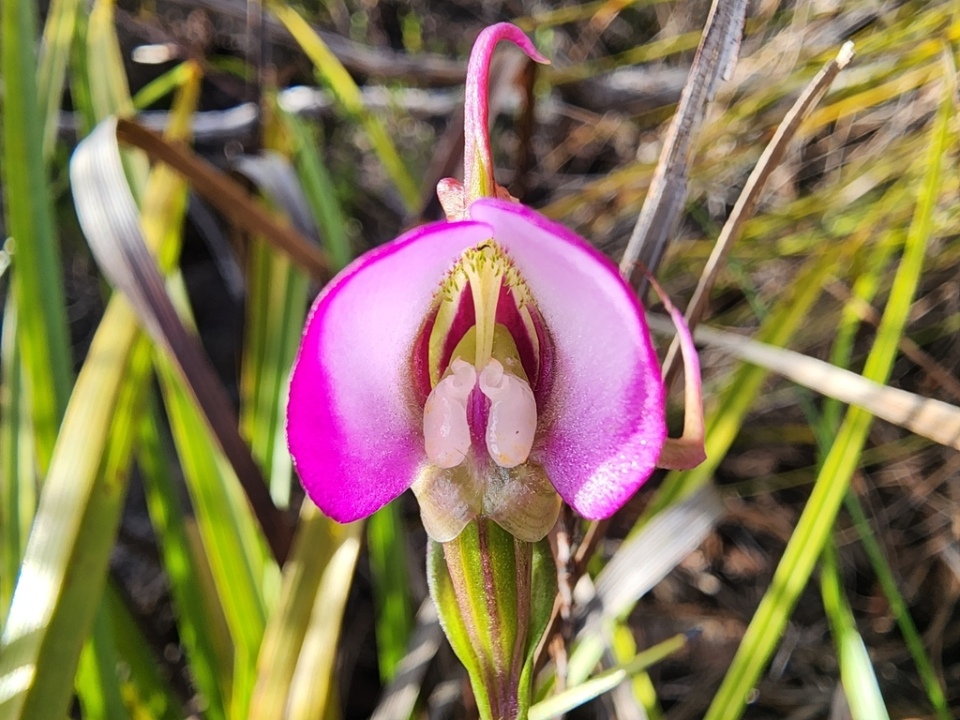
DISPERIS
CAPENSIS var. CAPENSIS
Family:
Orchidaceae
Moederkappie (Afr.); Granny's Bonnet (Eng.)
INTRODUCTION
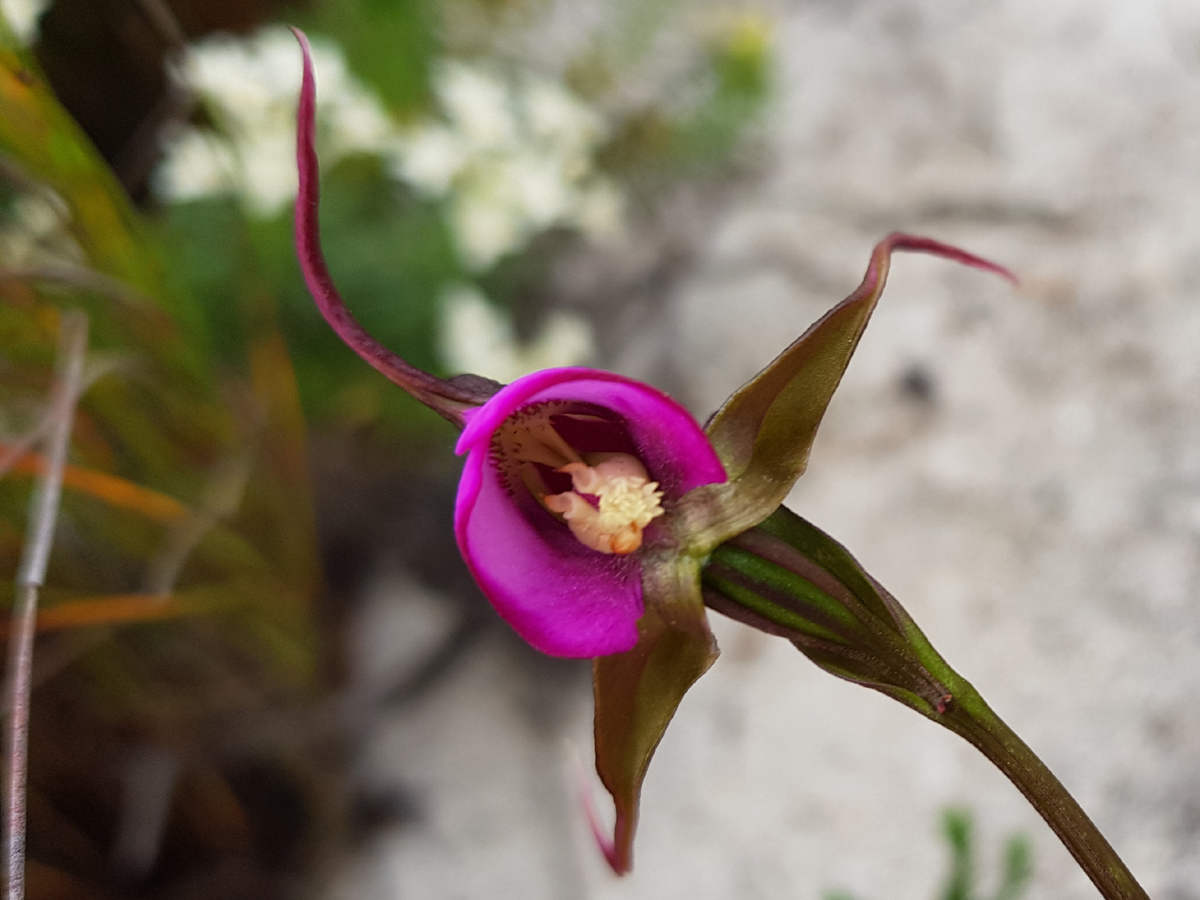
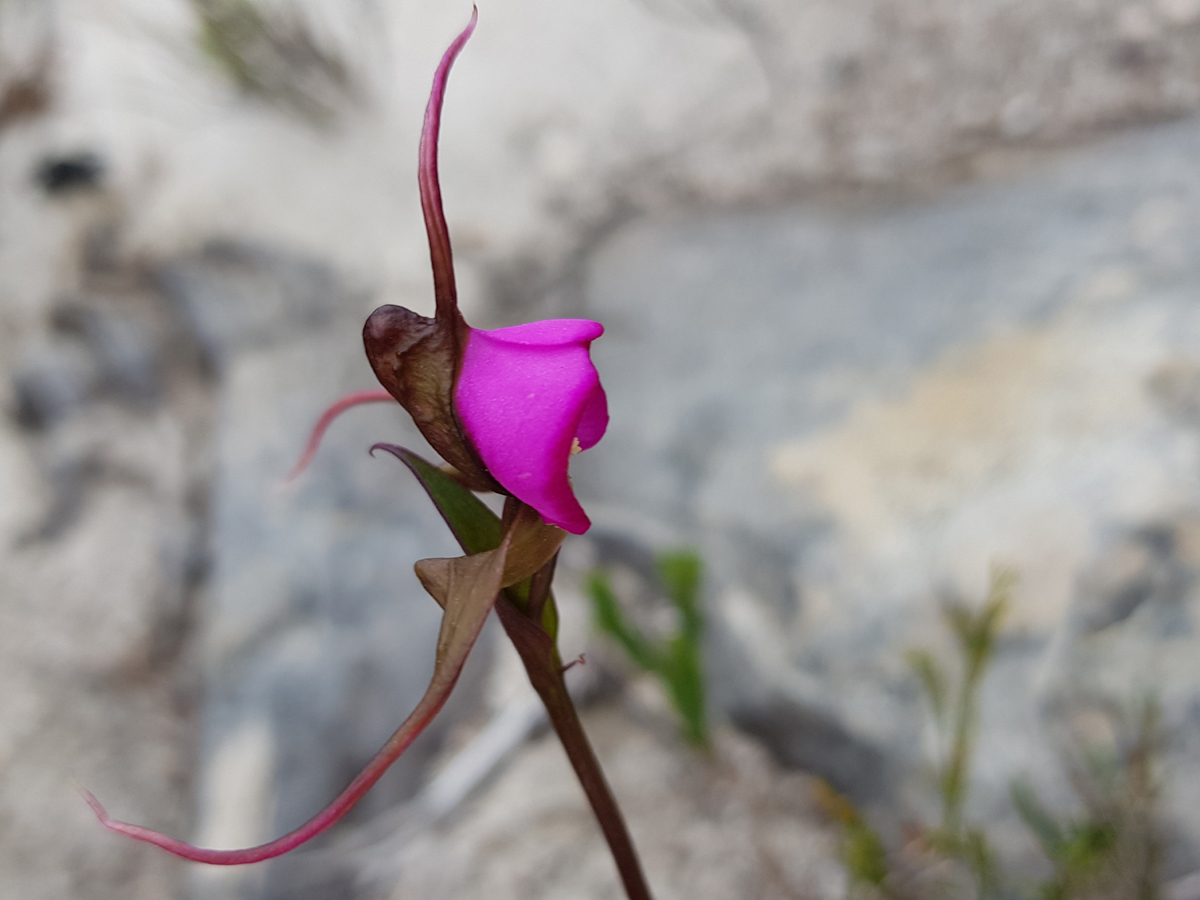
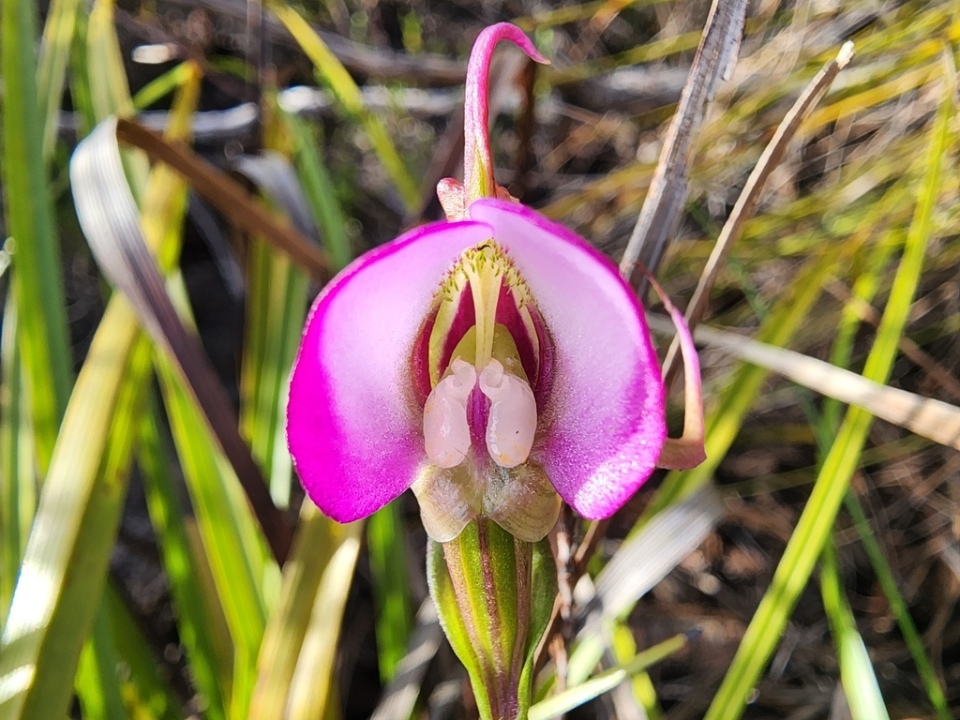
Disperis capensis var. capensis is one of our most distinctive little orchids. The large purple hood, with its two long side sepals curving gracefully backwards, looks just like an old-fashioned granny's bonnet with ribbons flying in the wind.
But don't
let this sweet-looking flower fool you. This granny is a master of deception.
Unlike
many flowers, Disperis capensis var. capensis produces no nectar
to reward its visitors. Instead, it relies on clever mimicry to attract
pollinators.
A
DECEPTIVE ORCHID
The
flowers closely resemble those of a Polygala (September Bush), which
does produce nectar. Carpenter bees, expecting a sweet reward, are lured to the
orchid and unknowingly pollinate it before discovering they have been tricked.
The
flowers of the two plants are remarkably similar in size and colour, although
their shapes differ. The carpenter bees must be wonderfully optimistic—they
keep coming back!
DISTRIBUTION
& HABITAT
Disperis
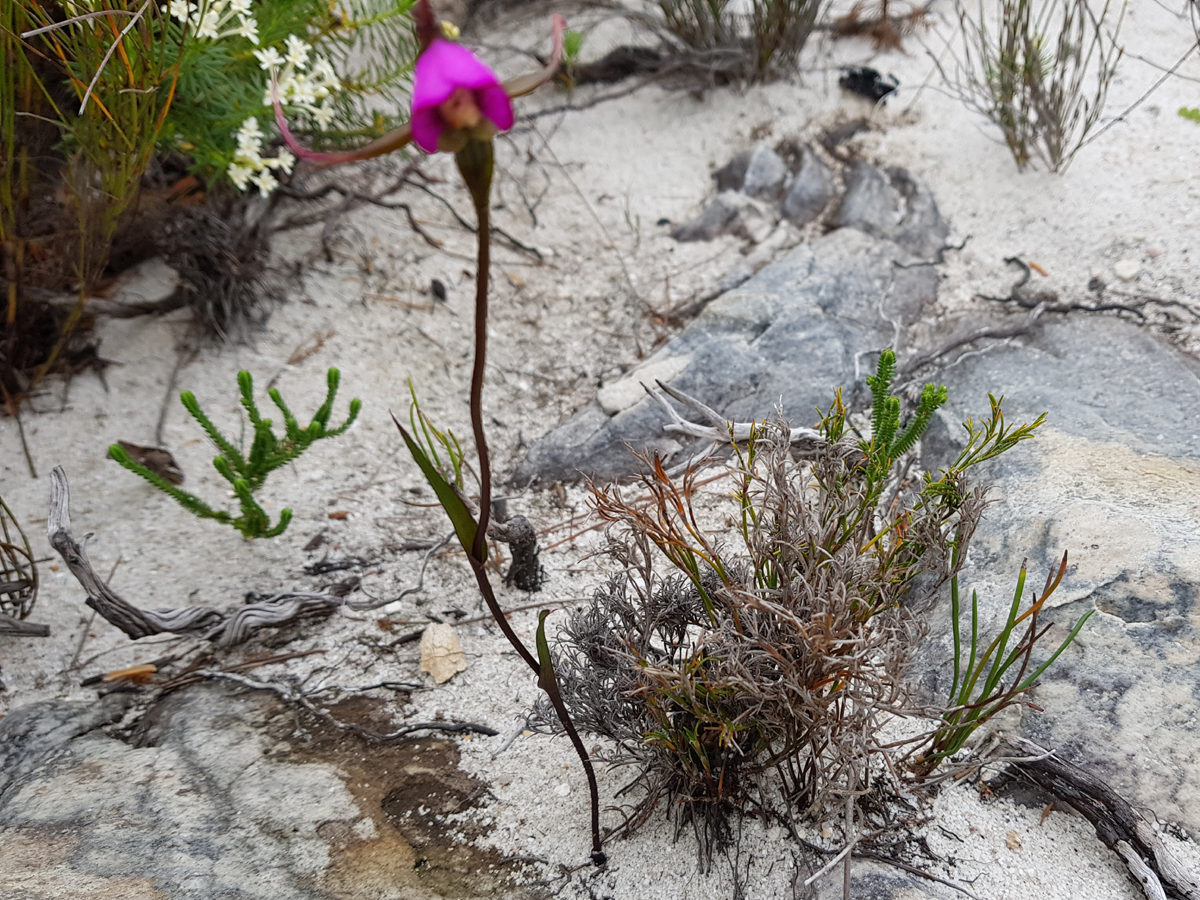
capensis var. capensis grows in damp sandstone soils, often in seepages
in mountain fynbos.
After the
Koppie in Rooiels was cleared of rooikrans during the 1990s, the area was
carpeted with these charming orchids and spectacular flowering ericas. It was a
wonderful sight.
Today the
vegetation has matured considerably, and the moederkappies no longer flower
there as they once did. Such is the ever-changing nature of the fynbos.
POLLINATION
Pollination
is carried out by carpenter bees, which are deceived into visiting the flowers
through their resemblance to nectar-producing Polygala species.
CONSERVATION
STATUS
Status: Least
Concern.
Disperis
capensis var. capensis is currently classified as Least Concern.
Click to find out more on Inaturalist