Flora Detail
| Common Name | Candlestick Heath, Pink Stilbe |
| Family | Stilbaceae (Candlestick Family) |
| Date Observed | 29-04-2023 |
| Category | Shrubs |
|---|---|
| Catalogue No. | 3553RGu |
| Flowering Time | Autumn,Winter |
| Colour | Pink to Mauve |
| Locations Observed | |
| Estuary | |
| Koppie | |
| Nature Reserve | |
| Small Holding | Few,Many |
| Village | |
| Greater Rooiels | Many |
Stilbe ericoides
Information
Candlestick Heath
STILBE ERICOIDES
INTRODUCTION
Stilbe ericoides, also known as Candlestick Heath
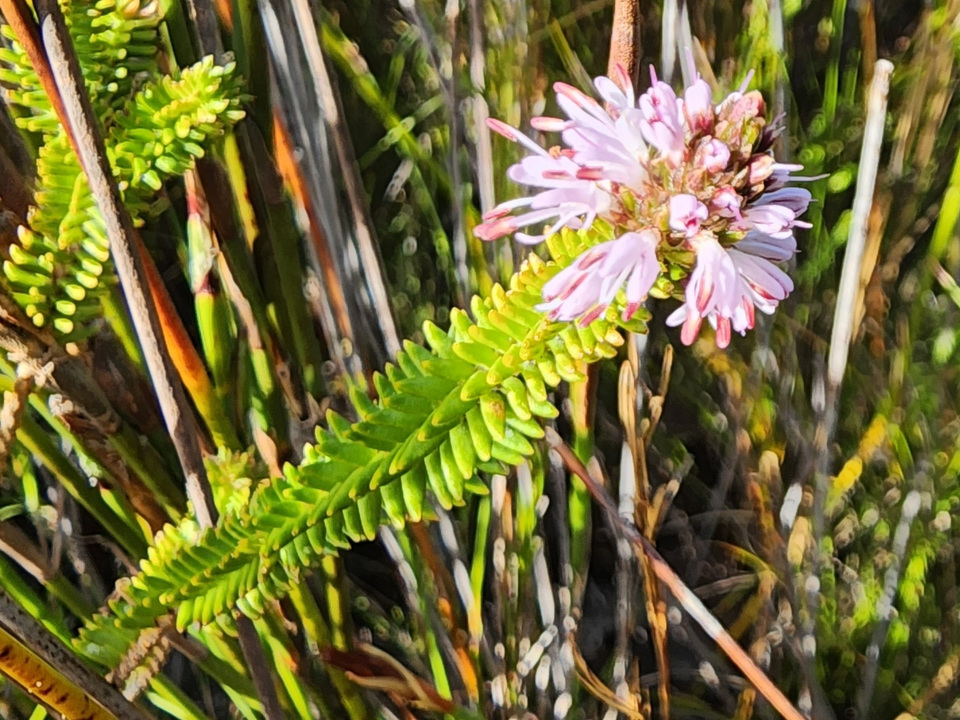
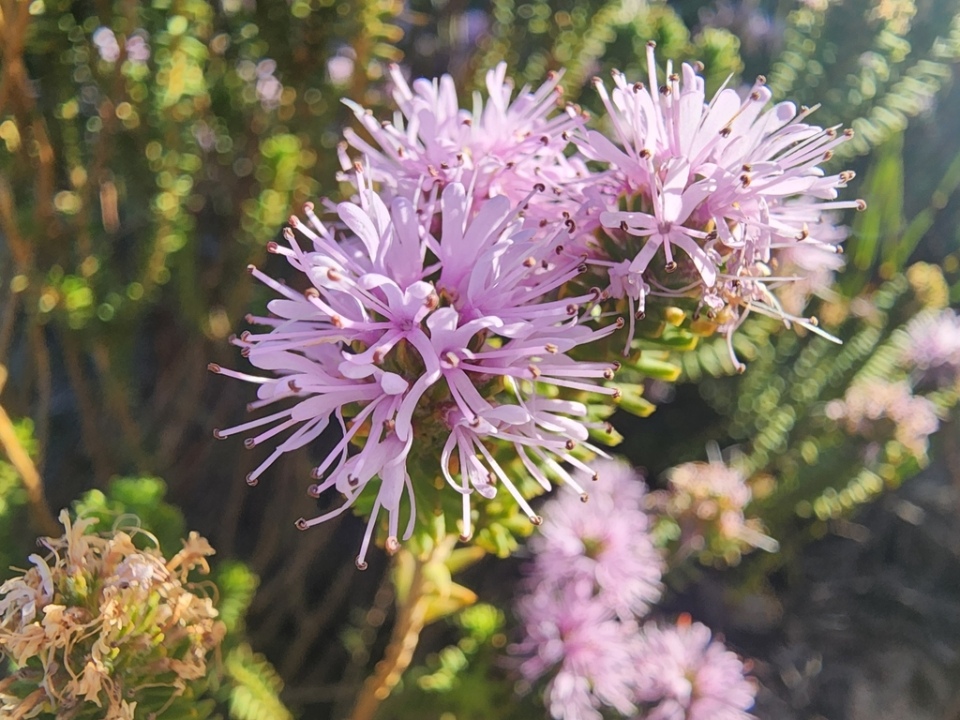
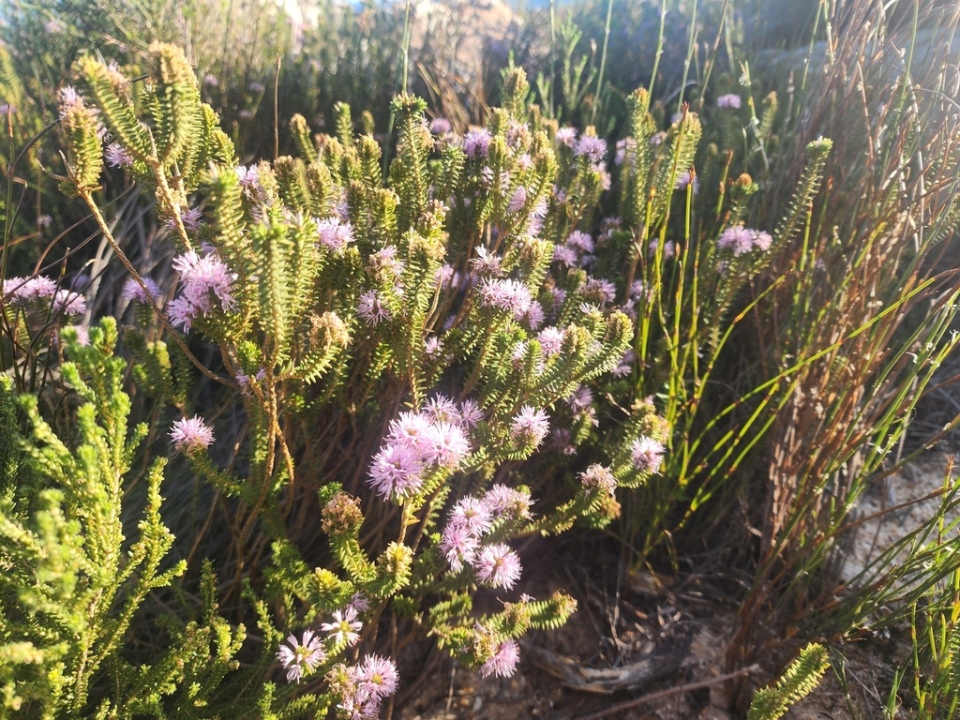
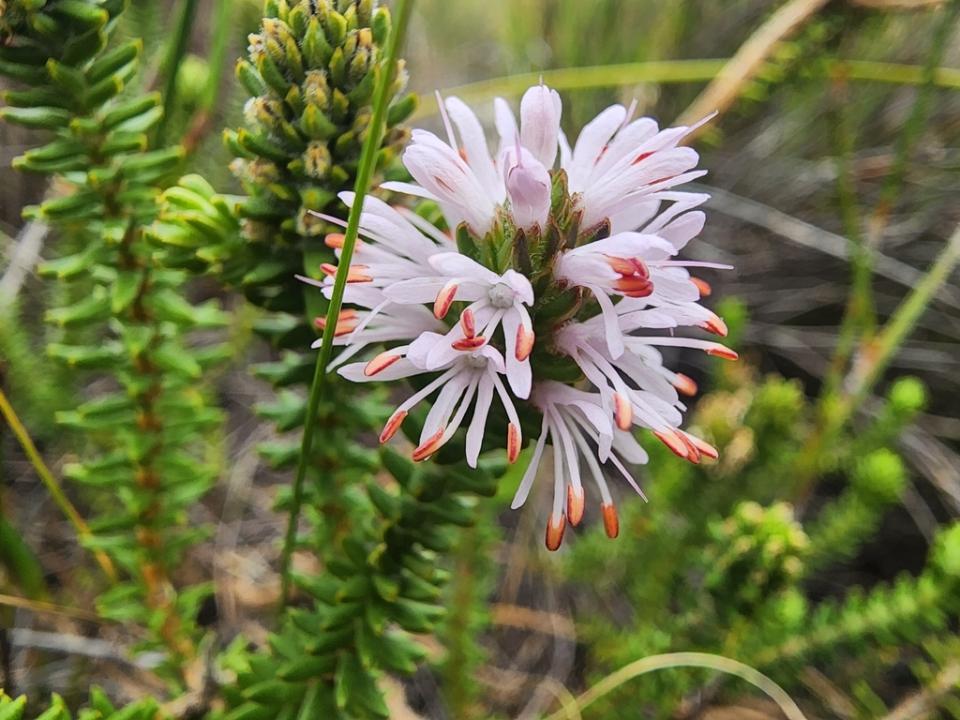
or Pink Stilbe, brightens the fynbos with its pink pom-poms of upright,
cylindrical flower spikes.
DISTRIBUTION & HABITAT
Stilbe ericoides is endemic to the Cape Floristic
Region. It grows on sandy flats and limestone hills in the coastal regions from
Hopefield to De Hoop in the Western Cape.
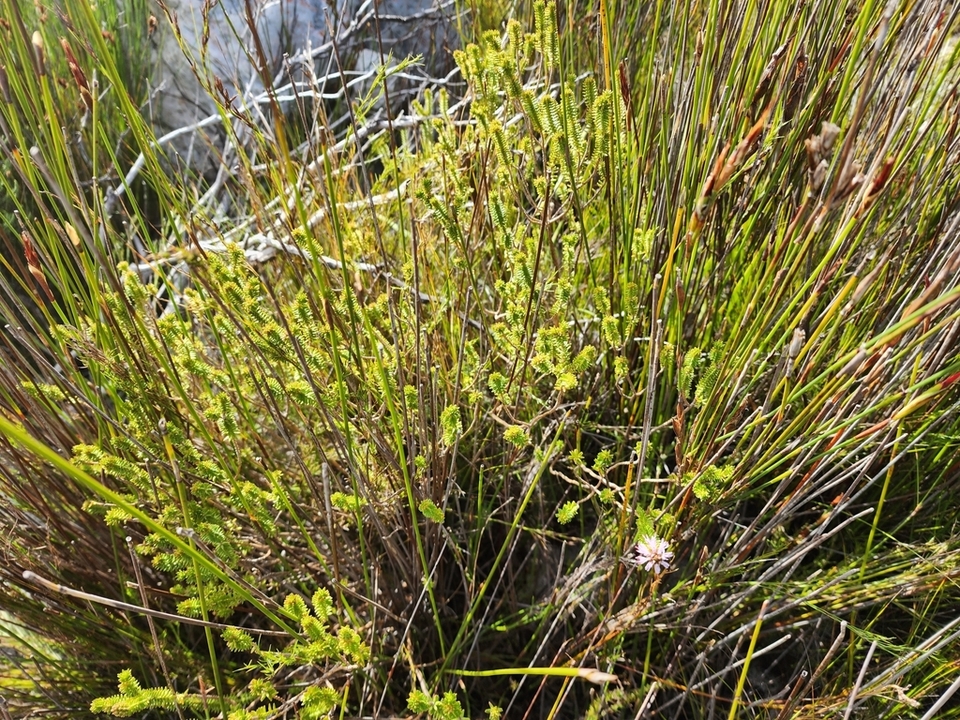
In Rooiels, it is common among the fynbos. From the
smallholding gate, walk towards the WWF smallholding, where numerous plants
flower on both sides of the road from May to September.
At first glance they are easy to overlook, their
slender flower spikes blending into the surrounding fynbos. But once your eyes
have tuned in to them, you will never miss them again.
DERIVATION OF NAME & POLLINATION
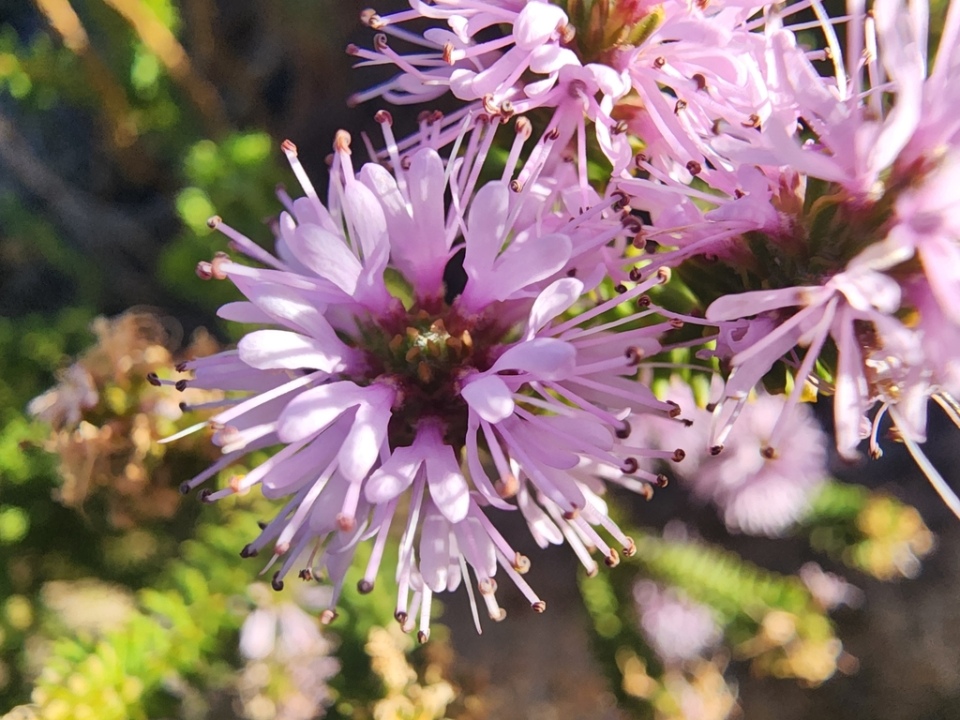
The name Stilbe is derived from the Greek word
stilbo, meaning "to shine" or "to glisten", referring to
the way the flowers catch the sunlight.
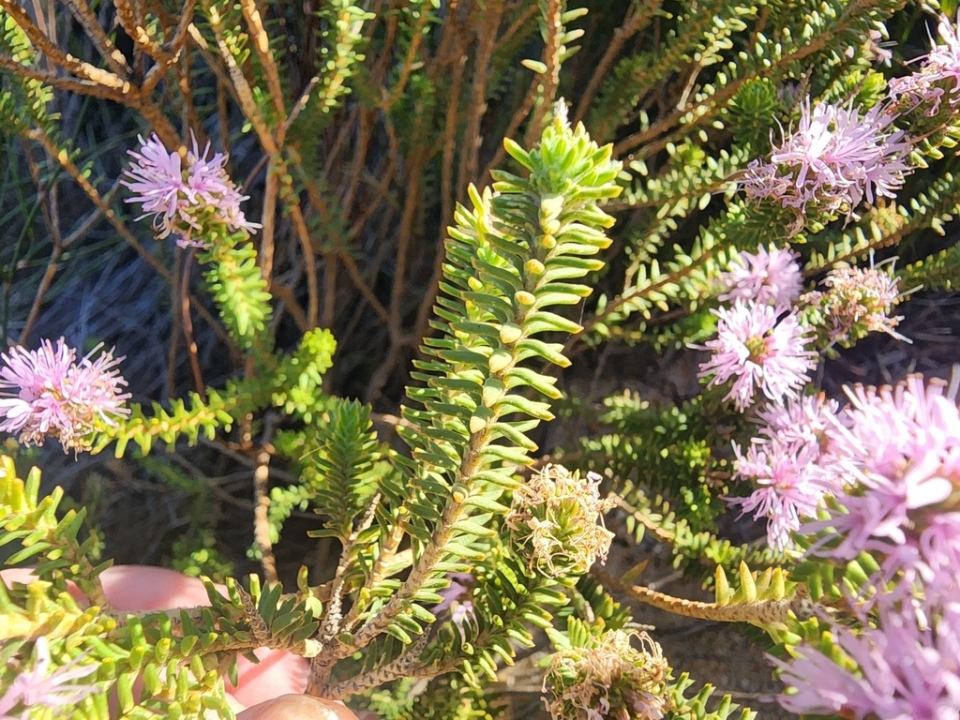
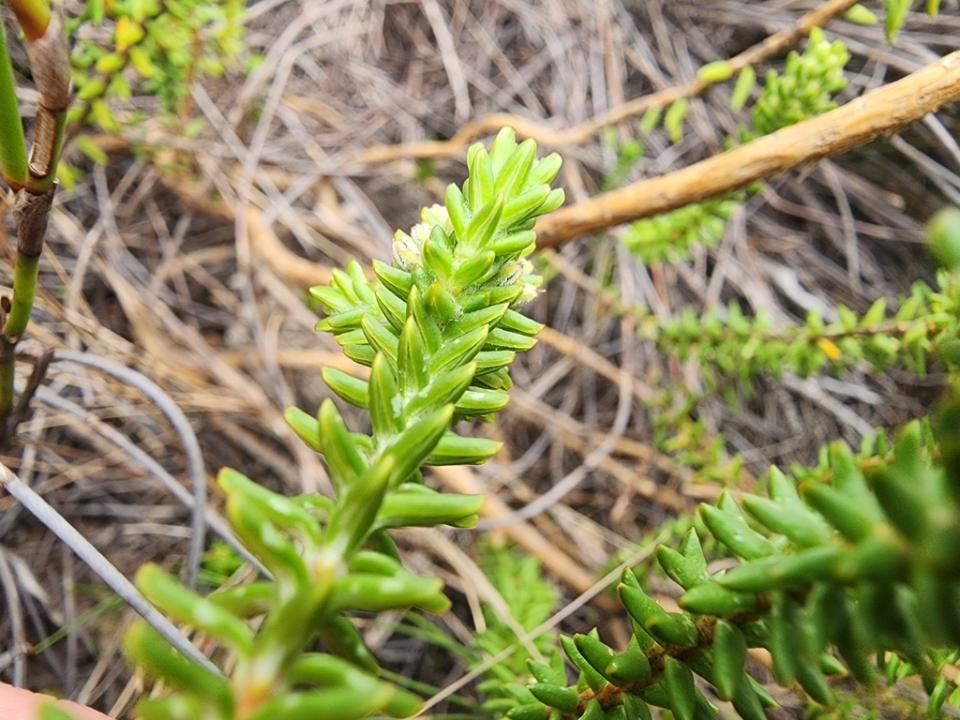
The species name ericoides means "looking like
an Erica." Interestingly, it is not the flowers but the fine, heath-like
leaves that resemble those of an Erica.
The glistening flower spikes attract a variety of
insects, which pollinate the flowers as they forage for nectar.
FIRE & SURVIVAL
Stilbe ericoides is a resprouter, happily growing
again after a fynbos fire and lighting up the landscape with its cheerful pink
"candlesticks."
Although fire destroys the above-ground parts of
the plant, a woody rootstock survives at or just below ground level, containing
buds and food reserves. Like so many fynbos species, it responds to the first
winter rains by producing vigorous new growth.
CONSERVATION STATUS:
Least Concern.