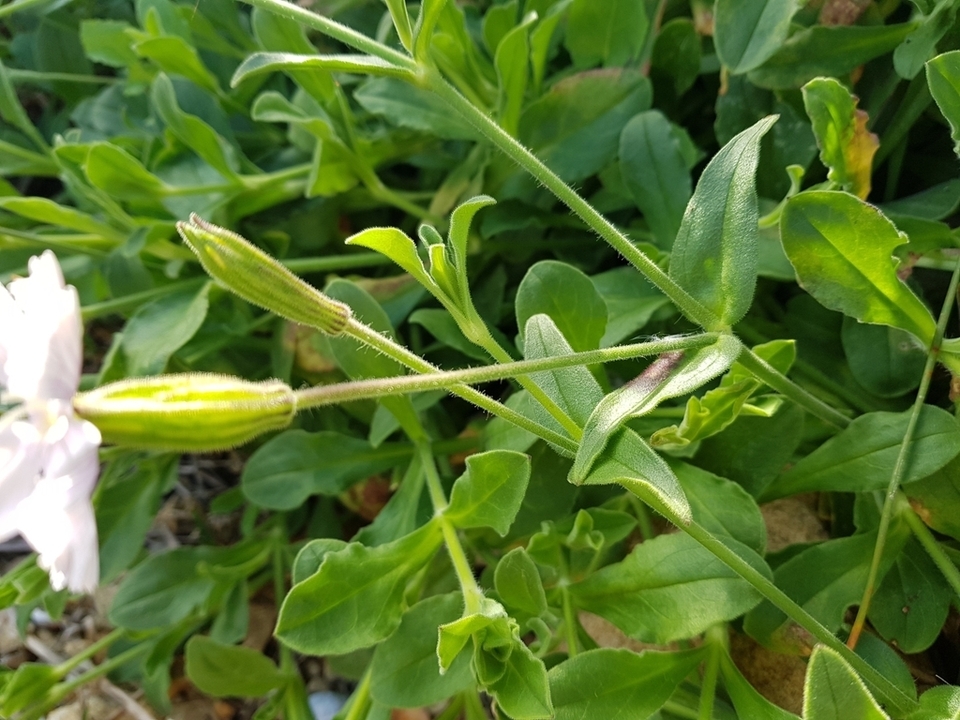
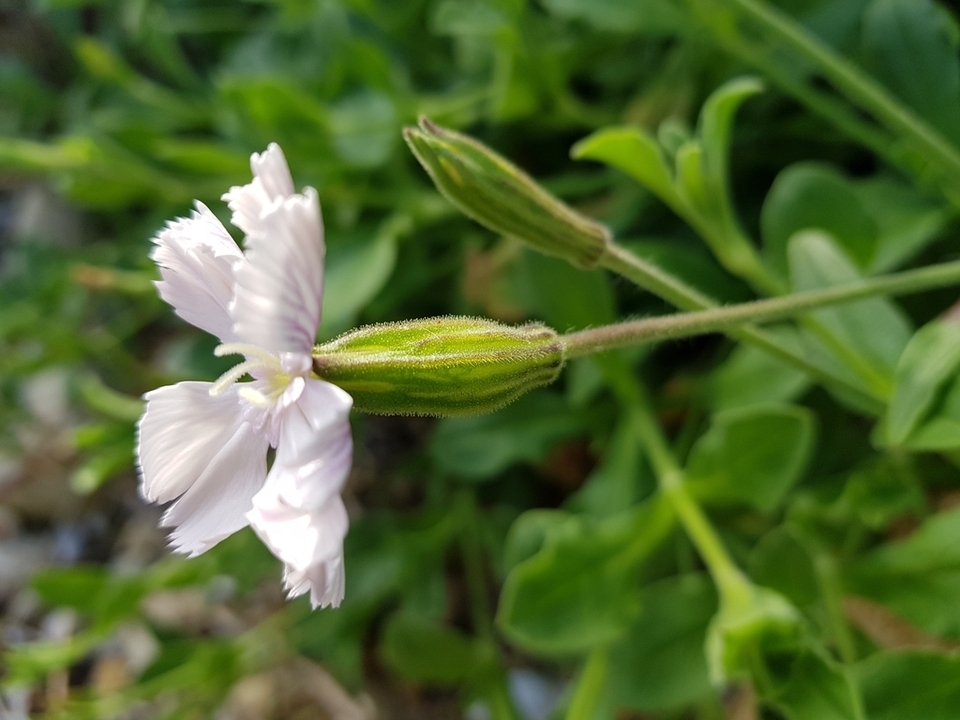
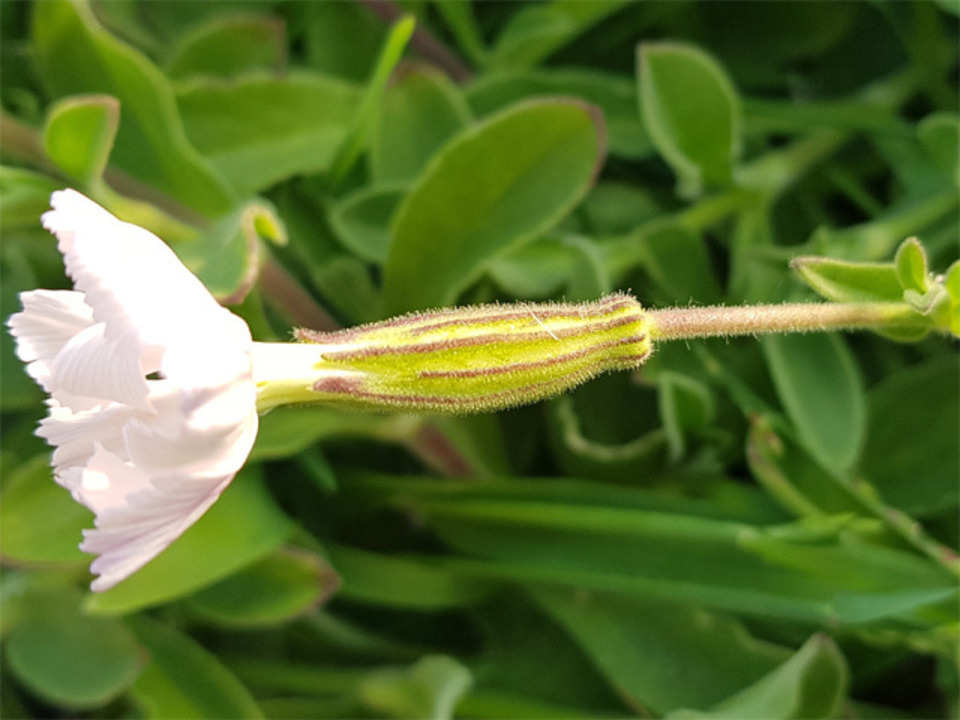
Flora Detail
| Common Name | African Dream root, Afr. kleinwildetabak |
| Family | Caryophyllaceae (Pink Family) |
| Date Observed | 25-05-2021 |
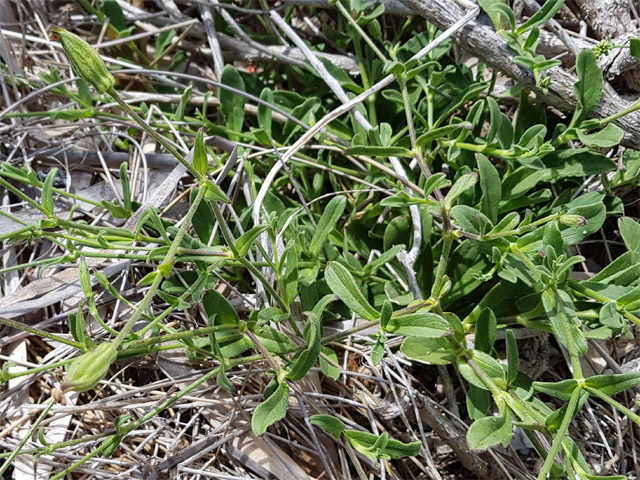
| Category | Ground cover |
|---|---|
| Catalogue No. | 1126RGd |
| Flowering Time | Autumn |
| Colour | White to Grey |
| Locations Observed | |
| Estuary | Not Observed |
| Koppie | Not Observed |
| Nature Reserve | Few |
| Small Holding | Not Observed |
| Village | Not Observed |
| Greater Rooiels | Not Observed |
Silene undulata
Information
Cape Catchfly, African Dream root
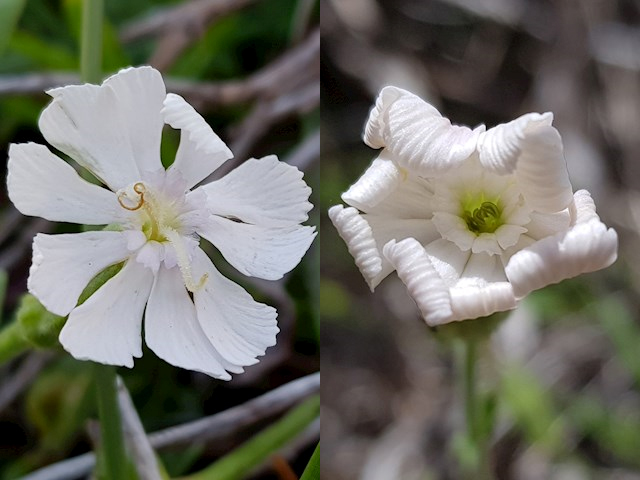
SILENE UNDULATA
INTRODUCTION
Silene undulata, the African
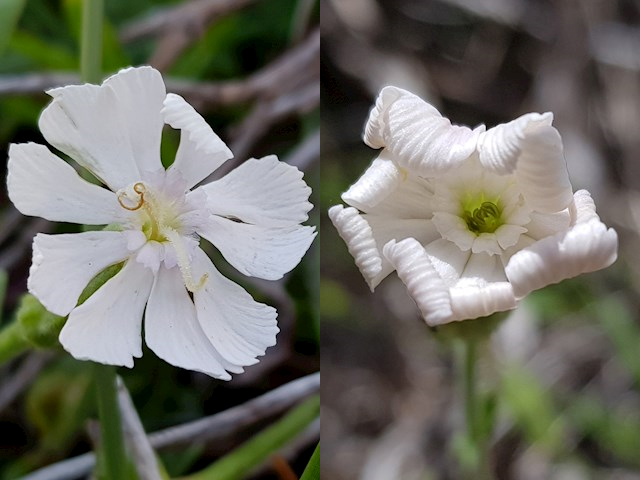
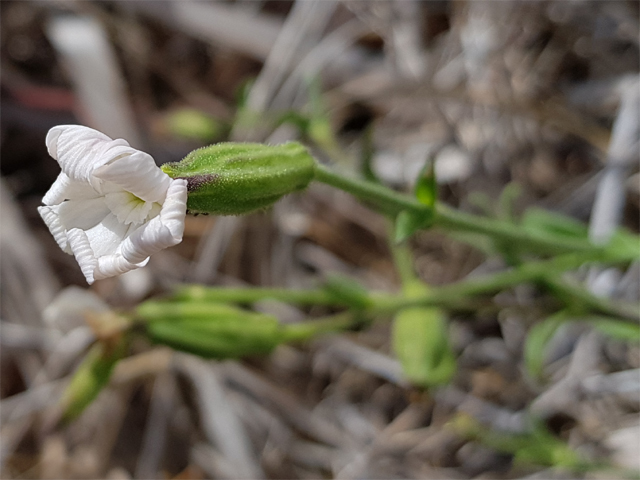
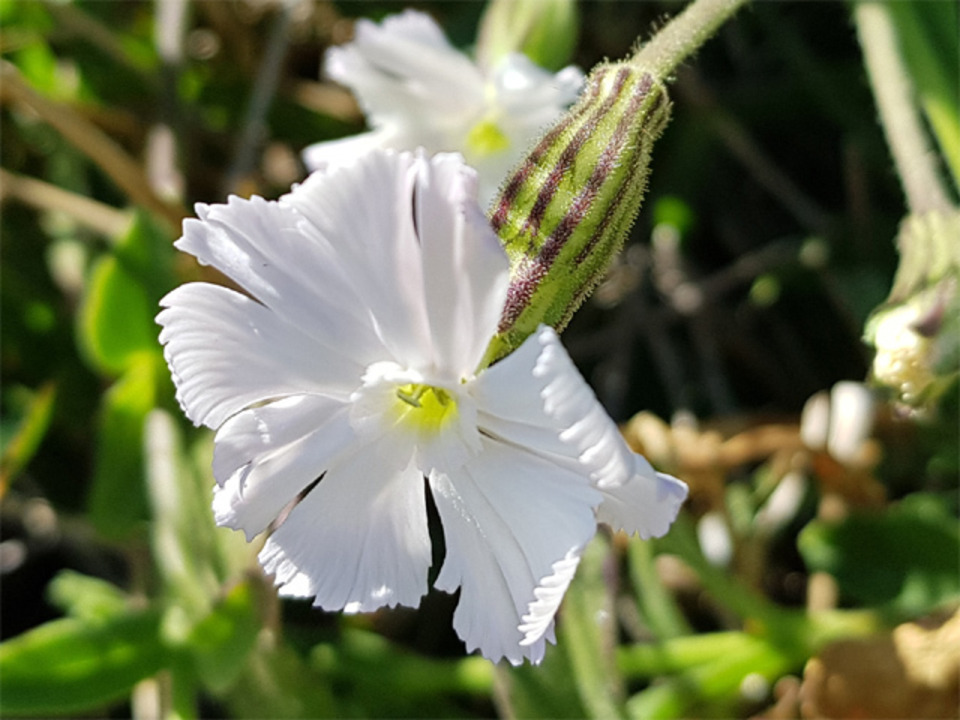
Dream Root, has an elegant little flower, but don’t be fooled by this cutie
with its frilly-edged petals. Beneath the delicate flowers lies a root with a
remarkable traditional history: for centuries, it has been used to encourage
vivid dreams.
USES
Among indigenous communities in
South Africa, Silene undulata is widely used as a divining plant.
Traditional healers use the root to induce vivid, colourful or lucid dreams
during initiation and spiritual practices. In the Eastern Cape, it is regarded
as a sacred plant by many amaXhosa people.
Its roots are harvested from wild
plants and are also sold in informal markets and muthi shops.
For many amaXhosa people, dreams
are understood as a way for the living and the ancestors to communicate, and
they play an important role in traditional healing. Good dreams may be
understood as messages from the ancestors, while bad dreams may be interpreted
as coming from someone wishing harm.
The plant was also used by Khoi
shamans, who believed that dreams could inspire creativity and artistic
expression, including images painted on rock surfaces.
The effects of African Dream Root
are not always pleasant. It can cause confusion, sleep paralysis and disturbing
nightmares, and its use may have other unwanted effects. This is a plant to
admire rather than experiment with.
WHY THE STRANGE NAMES?
It is easy to understand why this
plant is called African Dream Root. Its traditional use is all about
dreams.
The seeds look rather like
gunpowder, giving rise to the English common name Gunpowder Plant. The
Afrikaans name Kleinwildetabak refers to the traditional practice of
smoking the powdered root, which was believed to produce vivid dreams.
HABITAT
African Dream Root occurs across
tropical and southern Africa and is cultivated in the Eastern Cape.